
What Are Music Streams and How Do They Work?
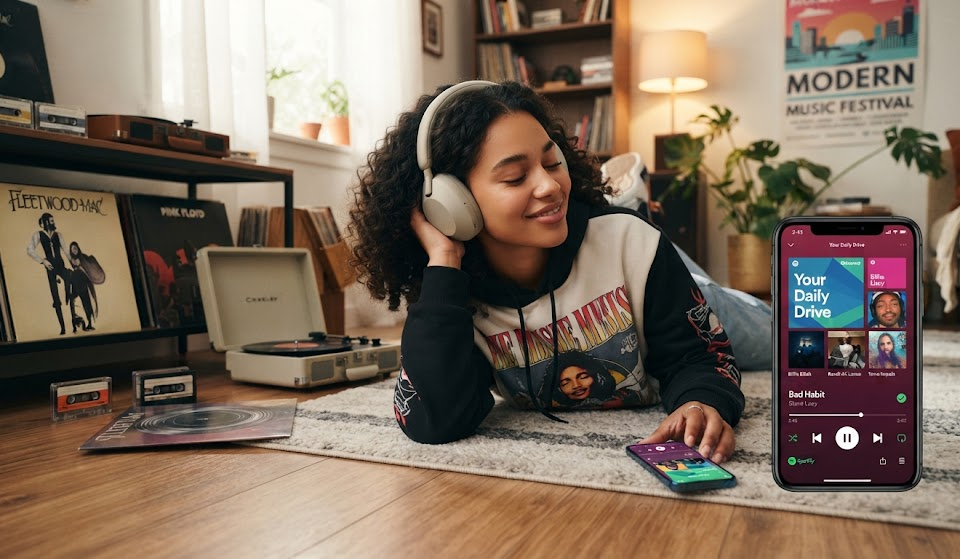
Music streams allow you to play audio tracks instantly over the internet without saving large files to your phone or computer. When you press the play button on your favorite app, a remote server sends tiny bits of audio data directly to your device. Your media player translates those data bits into sound right away.
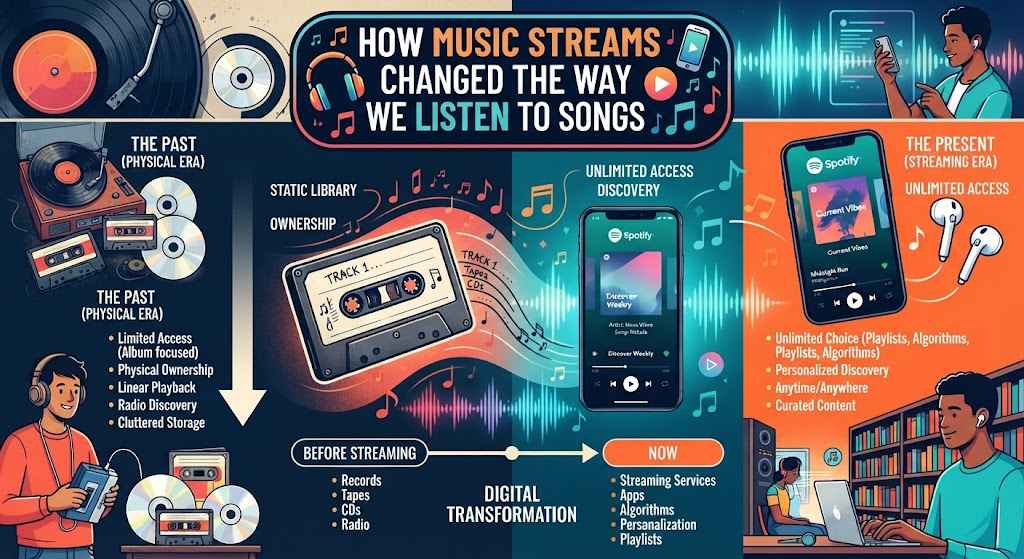
This modern technology replaces old physical media like CDs, cassette tapes, and manual MP3 downloads. Instead of waiting for a whole album to finish downloading, your track plays in real time. Fast internet speed keeps the song playing smoothly without annoying breaks or loading delays. Millions of listeners rely on music streams every day to enjoy their favorite tracks anywhere they go.
Table of Contents
The History and Growth of Digital Audio Delivery
Audio streaming completely changed how people find and enjoy songs around the world. In the early days of the internet, downloading a single track took a very long time. People often had to store files on small hard drives with limited space.
Everything changed when fast broadband internet and mobile networks became common. Companies realized they could broadcast audio live over network connections instead of forcing users to store files. Today, music streams make up the biggest share of revenue for the entire global song industry. Artists now release their newest albums directly to digital platforms, giving fans instant access to fresh tracks the exact second they drop.
How Modern Streaming Apps Track Every Play
Streaming apps use smart computer programs to track every single track play on their systems. When a user listens to a song for at least 30 seconds, the app logs that play as a complete stream in its system.
These platforms collect data on what you like, what you skip, and how long you listen. This smart tracking system helps apps suggest new songs that match your unique taste. It also helps platforms calculate how much money to pay record labels and independent artists each month. Accurate data tracking keeps the system fair for creators and fans alike.
Top Platforms for Daily Audio Playback
Many major platforms offer fast music streams to millions of daily users across the globe. Spotify remains a top choice because of its smart recommendations and massive library of custom user playlists.
Apple Music is another huge platform that offers high-definition audio quality and seamless integration with iOS devices. Amazon Music and YouTube Music are also popular choices for people who want video content or smart speaker integrations. Each service offers unique features, but all of them deliver high-quality music streams to your screen or headphone setup with simple one-touch controls.
Understanding Bitrate and Sound Quality Options
Audio quality depends heavily on something called bitrate. Bitrate measures how much data transfers into your ears every single second. Higher bitrates mean clearer instruments, deeper bass, and crisp vocals.
Most free apps deliver music streams at standard quality to save mobile data. Premium accounts let you unlock high-resolution options that sound just like original studio recordings. If you use basic earbuds, standard quality works great. However, if you own high-end headphones, choosing top audio settings makes every instrument sound alive and distinct.
How Artists Earn Money from Digital Playback
Musicians earn money based on how many music streams their tracks get across major services. Platforms collect subscription fees and ad money, put it into a big pool, and split it among rightsholders.
The payout per stream is usually a fraction of a cent. Because of this, independent artists need thousands of plays to earn solid income. Even so, digital distribution allows independent creators to publish their art globally without signing expensive record contracts. Loyal fans help their favorite creators simply by playing their tracks on repeat.
Free vs Paid Digital Subscription Plans
Choosing between free and paid subscription plans depends on your personal listening habits and budget. Free plans use audio ads between tracks to cover costs, and they often limit how many tracks you can skip.
Paid plans remove all commercial interruptions and unlock key features like unlimited skips and offline playback. Paying a monthly fee also unlocks the highest audio quality settings for your music streams. If you listen to songs for hours every day, a paid subscription provides a smoother and more enjoyable experience overall.
Music Streams Overview
| Feature / Metric | Details |
| Definition | Real-time audio playback delivered over the internet without full file downloads. |
| Primary Delivery Types | Free ad-supported streaming, premium ad-free subscriptions, loss-less high-resolution audio. |
| Top Global Platforms | Spotify, Apple Music, Amazon Music, YouTube Music, Tidal, Deezer. |
| Key Audio Formats | AAC, OGG Vorbis, FLAC, ALAC. |
| Typical Artist Payout Range | $0.003 to $0.005 per individual stream (varies by platform and user location). |
| Essential Offline Feature | Local caching of encrypted tracks for listening without active internet data. |
Using Offline Mode to Save Mobile Data
Listening to live music streams uses mobile data plan allowances quickly if you stream over cellular connections. Fortunately, most modern apps offer an offline mode for paying members.
Offline mode lets you save playlists directly to your phone storage over Wi-Fi. Once saved, you can play those tracks on airplanes, road trips, or remote areas without using any cellular data. Using offline mode saves your phone battery and keeps your favorite playlists active even when internet signals drop completely out of range.
Smart Playlists and Algorithmic Song Recommendations
Modern platforms rely heavily on smart algorithms to keep users engaged. These programs analyze your listening habits, saved tracks, and skip rates to create personalized mix playlists just for you.
When millions of users generate music streams for a specific track, the algorithm notices the trend and pushes that track to more listeners. This algorithm system helps smaller artists go viral overnight without traditional radio support. It also helps fans discover hidden gems they might never have found on their own.
The Environmental Impact of Global Data Centers
While digital media feels weightless, running servers around the clock requires real electrical power. Millions of continuous music streams require massive data storage centers to operate 24 hours a day.
These data centers use large amounts of electricity to run processors and cool down heavy computer hardware. Major tech companies are now building green data centers powered by solar and wind energy. As more people stream audio every day, making digital infrastructure eco-friendly becomes a top priority for technology companies.
Useful Tips to Improve Your Daily Playback Experience
You can upgrade your personal audio setup with a few quick adjustments in your app settings. First, turn on data saver mode if you have a small cell phone plan.
Second, adjust your equalizer settings to boost bass or treble based on your favorite genre. Third, clear your app cache regularly to keep your device running fast and prevent crashing. Managing these small settings ensures your music streams run smoothly without buffering errors or unexpected data bills.
The Future of Interactive Digital Audio
The future of digital audio listening looks bright with new technology emerging every year. We are seeing spatial audio, dynamic 3D soundscapes, and AI tools that adapt tracks to your mood in real time.
Smart home systems and connected vehicles make playing music streams easier than ever before. As internet speeds get faster worldwide, high-definition audio streaming will become the standard for everyone. Fans can look forward to richer sounds, smarter discovery tools, and seamless connections to their favorite artists.
Frequently Asked Questions
How much mobile data do live audio streams use?
Standard quality audio streams use about 40 to 50 megabytes of data per hour. High-quality audio settings can use up to 150 megabytes per hour. Using Wi-Fi or offline mode saves your mobile data.
Why does my audio stream keep pausing or buffering?
Buffering happens when your internet connection is too slow to load audio data in advance. Switch to a stronger Wi-Fi network, lower your app audio quality settings, or restart your app to fix buffering issues.
What is the difference between downloading an MP3 and streaming?
Downloading saves an actual audio file directly onto your storage drive forever. Streaming plays audio temporarily from a cloud server through an internet connection without saving the original track file.
Can independent artists upload tracks to major streaming apps?
Yes, independent artists can upload their work easily using digital music distributors. These distribution services deliver tracks directly to major platforms so creators can start earning money from their plays.
Does listening to audio offline count as a stream for the artist?
Yes, offline plays count toward an artist’s total numbers. When your device connects back to the internet, your app sends your offline listening records to the platform servers to update play counts.
What headphones are best for high-definition streaming?
Wired studio headphones or high-quality wireless earbuds supporting advanced audio codecs provide the best sound experience. They deliver clear separation between vocal notes and instrument tracks.
Music streams have transformed how we discover, share, and enjoy sound content every day. Whether you stream playlists on your morning commute or explore new genres at home, digital access brings millions of songs directly to your fingertips. Take a moment today to explore your favorite app’s audio settings, curate a new playlist, and support the independent artists you love!