

Introduction to P&L
Meaning of P&L
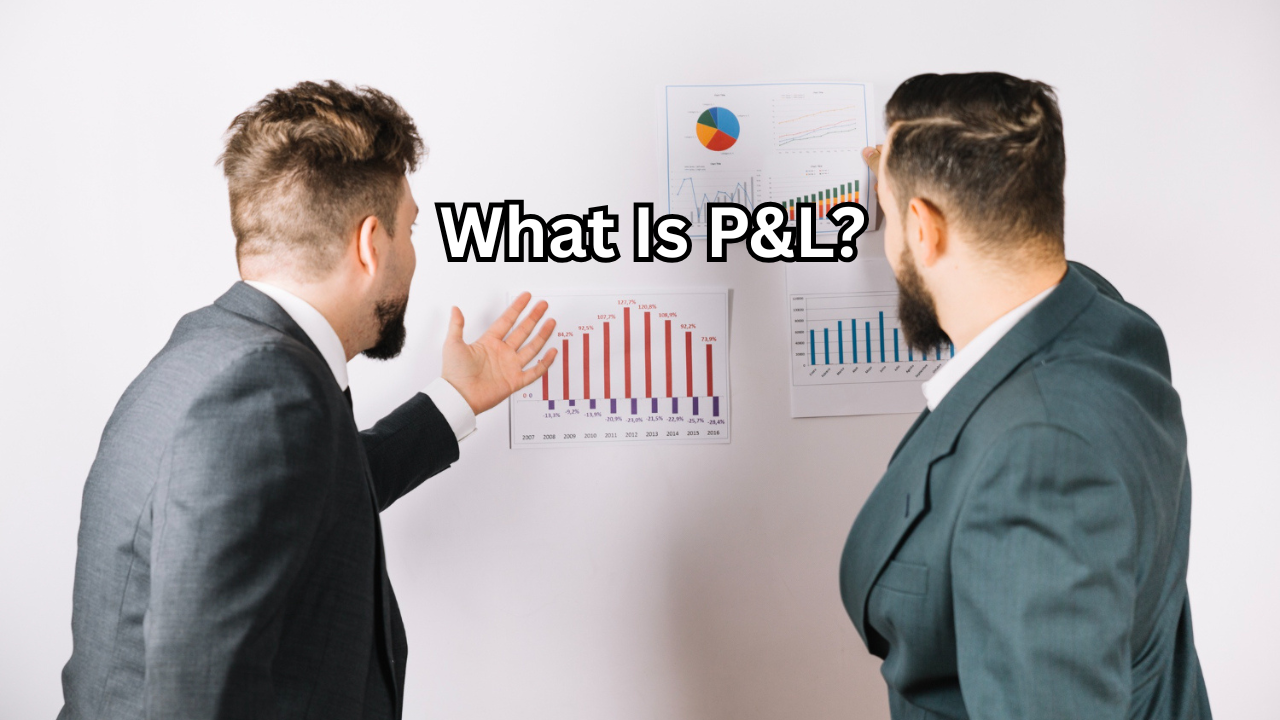
What Is P&L? – P&L stands for Profit and Loss. It is a financial statement that shows how much money a business earned and how much it spent during a specific period. In simple words, it tells you whether a business made a profit or suffered a loss.
Think of P&L like a report card for your business. Just like a school report card shows your grades, a P&L statement shows how well your business performed financially.
Why Businesses Use P&L Statements
Every business, big or small, needs to know if it is actually making money. A P&L statement answers that question clearly. It helps owners, managers, and investors understand if the company is healthy or struggling.
What Does P&L Stand For?
Full Form of P&L
P&L stands for Profit and Loss.
Profit means money earned after expenses.
A loss means expenses exceed income.
Common Names for P&L
A P&L statement is also called:
- Income Statement
- Statement of Profit and Loss
- Earnings Statement
Different names, same purpose.
Key Components of a P&L Statement
Revenue
Revenue is the total money earned from selling products or services. It is the top line of the P&L statement.
Cost of Goods Sold (COGS)
COGS includes the direct costs of making or buying the products you sell, such as raw materials and labor.
Gross Profit
Gross Profit = Revenue – COGS
This shows how much money is left after covering production costs.
Operating Expenses
These are everyday business costs, such as rent, salaries, electricity, marketing, and internet bills.
Operating Profit
Operating Profit = Gross Profit – Operating Expenses
It shows profit from normal business operations.
Net Profit
Net Profit is the final result after subtracting taxes and interest. This is the real profit of the business.
How a P&L Statement Works
Simple Calculation Process
First, add all income.
Then, subtract all expenses.
What remains is profit or loss.
Formula for Profit and Loss
Profit = Total Revenue – Total Expenses
If the result is negative, it is a loss.
Types of P&L Statements
Single-Step P&L
This method uses one simple formula:
Revenue – Expenses = Profit or Loss
It is easy and suitable for small businesses.
Multi-Step P&L
This method shows:
- Gross profit
- Operating profit
- Net profit
It gives more detailed information.
P&L vs Balance Sheet
Key Differences
P&L shows performance over a period.
A balance sheet shows the financial position at a point in time.
How They Work Together
P&L shows if you made money.
A balance sheet shows what you own and what you owe.
P&L vs Cash Flow Statement
Income vs Cash
P&L shows income and expenses.
Cash flow shows actual cash movement.
Why Both Are Important
You can be profitable but still have cash problems. Both reports together give a full picture.
Importance of P&L for Businesses
Helps Measure Profitability
It clearly shows whether the business is making or losing money.
Supports Decision Making
Owners use P&L to decide pricing, expenses, and investments.
Attracts Investors
Investors look at P&L to gauge a business’s potential.
P&L in Small Businesses
Daily Use in Small Firms
Small businesses use P&L to track monthly income and expenses.
P&L for Freelancers
Freelancers use P&L to see how much they earn after costs like tools and internet.
P&L in Large Corporations
Role in Financial Planning
Large companies use P&L to plan budgets and forecasts.
Use in Performance Analysis
Departments are judged using P&L performance.
How to Read a P&L Statement
Step-by-Step Guide
- Check revenue
- Look at expenses
- Find net profit
What to Look For
- Rising revenue
- Controlled costs
- Consistent profit
Common Mistakes in P&L Statements
Ignoring Expenses
Forgetting small expenses can give false profit results.
Misreporting Revenue
Recording unpaid sales can mislead profit figures.

Benefits of Maintaining a P&L Statement
Legal and Tax Benefits
P&L is required for tax filing and audits.
Business Growth Support
It helps plan expansion and reduce wasteful spending.
Limitations of P&L Statements
Does Not Show Cash Position
Profit does not always mean cash in hand.
Can Be Misleading
Wrong entries can distort results.
Example of a P&L Statement
Sample Format
Revenue: $10,000
Expenses: $7,000
Net Profit: $3,000
Simple Explanation
The business earned $3,000 after all costs.
How to Prepare a P&L Statement
Manual Method
You can write it by hand or in Excel.
Using Accounting Software
Tools like QuickBooks or Xero automate P&L creation.
Conclusion
A P&L statement is one of the most important financial tools for any business. It clearly and simply shows income, expenses, and profit. Whether you are running a small shop, freelancing online, or managing a big company, understanding P&L helps you make smarter decisions. It is like a mirror for your business performance. If you want to grow and stay profitable, learning to read and prepare a P&L statement is not optional. It is essential.
FAQs
1. What is P&L in simple words?
P&L means Profit and Loss. It shows how much money a business earned and how much it spent.
2. Is P&L the same as an income statement?
Yes, both are the same. They show business profit and expenses.
3. How often should a P&L statement be prepared?
Most businesses prepare it monthly or quarterly.
4. Who uses P&L statements?
Business owners, managers, accountants, and investors use P&L statements.
5. Can a business survive without P&L?
It is risky. Without P&L, you cannot track profit or control expenses properly.
Also Read: Crypings Com Guide for Beginners and Investors (2026 Update)



Comments are closed.
[…] Also Read: What Is P&L? A Complete Guide to Profit and Loss Statements […]