

Introduction
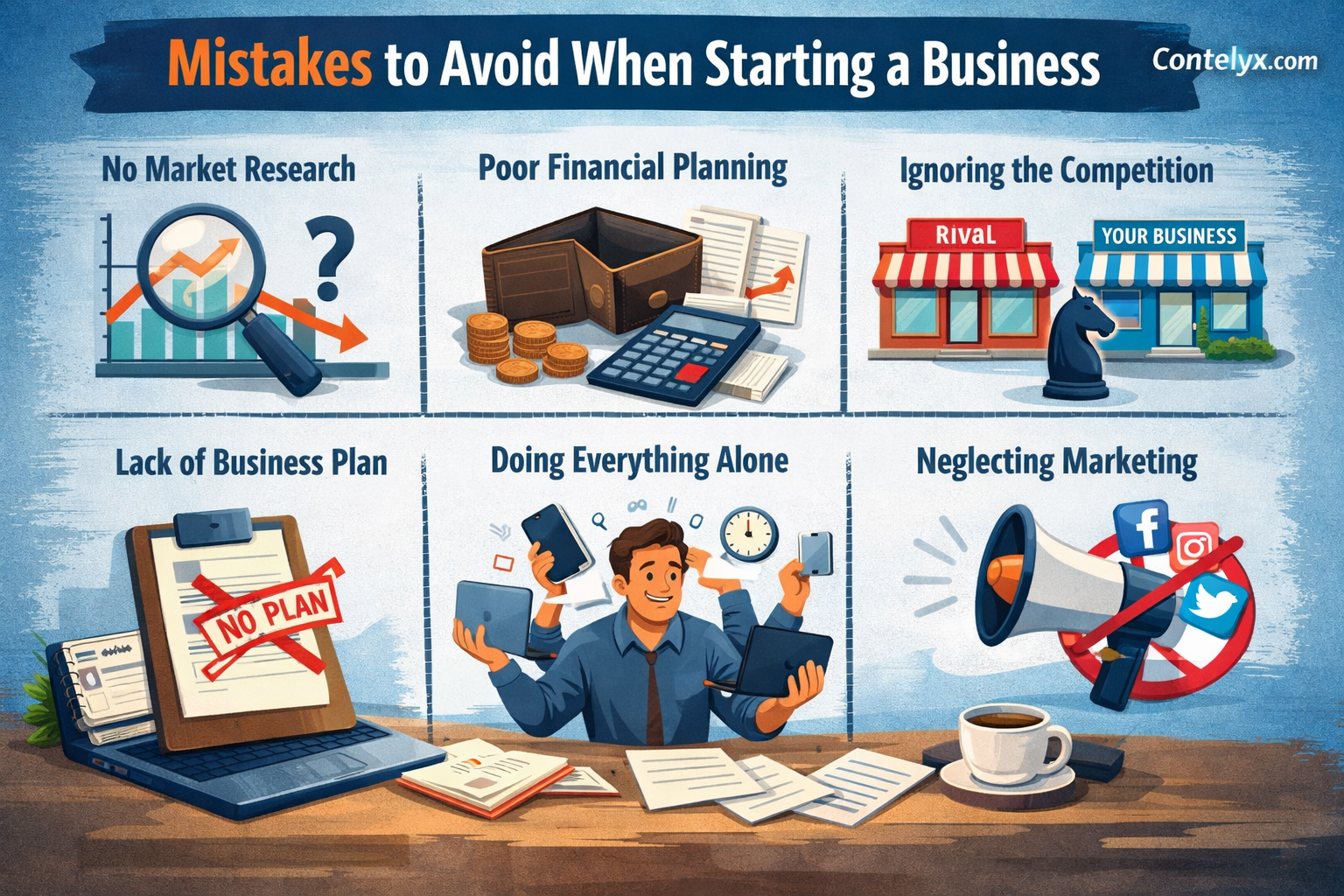
Starting a business feels like standing at the edge of a diving board. You are excited, nervous, and full of big dreams. But many people jump without checking how deep the water is. That is why most startups fail within the first few years. Not because the idea was bad, but because the execution was careless.
Mistakes in the early stage can cost money, time, and motivation. The good news is you can avoid many of them if you know what to watch out for. Think of this article as a road sign that warns you about sharp turns ahead. Let’s walk through the most common mistakes new entrepreneurs make and how you can stay clear of them.
Skipping Market Research
Not Knowing Your Target Customer
One of the biggest mistakes is building a product for “everyone.” When you try to serve everyone, you end up serving no one well. Many beginners assume people will automatically love their idea. That is risky thinking.
If you do not know who your customer is, you will not know what to sell, how to sell, or where to sell. You must understand their age, problems, spending habits, and preferences. A Business without customer research is like shooting arrows in the dark.
How to Validate an Idea Before Launch
Before investing money, test your idea. Talk to potential customers. Use surveys, social media polls, or simple interviews. You can even launch a small trial version of your product.
Validation saves you from building something nobody wants. It is better to hear “this won’t work” early than after you spend all your savings.
Poor Business Planning
Starting Without Clear Goals
Many people start a business just because they want freedom or quick money. But they do not define what success looks like. Without goals, you cannot measure progress.
Ask yourself simple questions. How much do you want to earn in the first year? Who will you serve? What problem will you solve? Clear goals turn dreams into plans.
The Role of a Simple Business Plan
A business plan does not need to be complicated. It should explain what you sell, who you sell to, how you make money, and your expenses.
Think of it as a map. You can change the route later, but at least you know where you are heading. Without a plan, you will keep reacting instead of leading.
Underestimating Startup Costs
Hidden Expenses New Entrepreneurs Forget
Most beginners only calculate obvious costs, such as rent or inventory. They forget about marketing, software, taxes, and emergency funds. These hidden costs can quickly drain your budget.
Unexpected expenses are part of business life. If you do not prepare for them, they can shut you down early.
Budgeting the Smart Way
Always assume things will cost more than expected. Create a budget with extra room for surprises. Track every expense, no matter how small.
Money is like fuel. If you run out on the highway, the journey ends. Budgeting keeps your tank full.

Choosing the Wrong Business Model
Copying Competitors Blindly
Many people copy successful businesses without understanding why they work. Just because a model works for someone else does not mean it will work for you.
Your market, skills, and resources may be different. Blind copying can lead to frustration.
Matching Model to Market Needs
Choose a model that fits your audience. Subscription, one-time sale, or service-based models all have pros and cons. Pick the one that matches your product and customers.
A business model should serve your market, not your ego.
Ignoring Cash Flow Management
Profit vs Cash Flow Confusion
Profit means your business makes money on paper. Cash flow means money is actually in your hand. Many businesses fail because they run out of cash even when they are profitable.
Bills do not wait for profit. They need cash.
Tools to Track Cash Flow
Use simple tools like spreadsheets or accounting software. Track income and expenses weekly. This habit can save you from unpleasant surprises.
Good cash flow management is like checking your heartbeat. It tells you if your business is alive and healthy.
Trying to Do Everything Alone
The Burnout Trap
New entrepreneurs often wear all hats. They handle sales, marketing, accounts, and customer service. At first, it feels heroic. Later, it feels exhausting.
Burnout kills creativity and decision-making. A tired founder makes bad choices.
When to Outsource or Hire
You do not need a big team. Start small. Outsource tasks you are bad at, or that consume too much time. Focus on what you do best.
Running a business is a marathon, not a sprint. You need energy to last.
Weak Marketing Strategy
Relying Only on Word of Mouth
Word of mouth is powerful, but it is slow. Many businesses fail because nobody knows they exist.
Marketing is not shouting. It is telling the right people why they should care.
Building an Online Presence Early
Create a website and social media profiles. Share helpful content. Show your personality and value.
In today’s world, if you are invisible online, you are invisible in business.
Pricing Products Incorrectly
Pricing Too Low to Attract Customers
Some beginners price too low because they are afraid people will not buy. This can backfire. Low prices can make your product look cheap or low quality.
You may also struggle to cover costs.
Finding the Right Price Point
Research competitors. Understand your costs. Price based on value, not fear.
Good pricing balances customer benefit and business survival.
Ignoring Customer Feedback
Why Early Reviews Matter
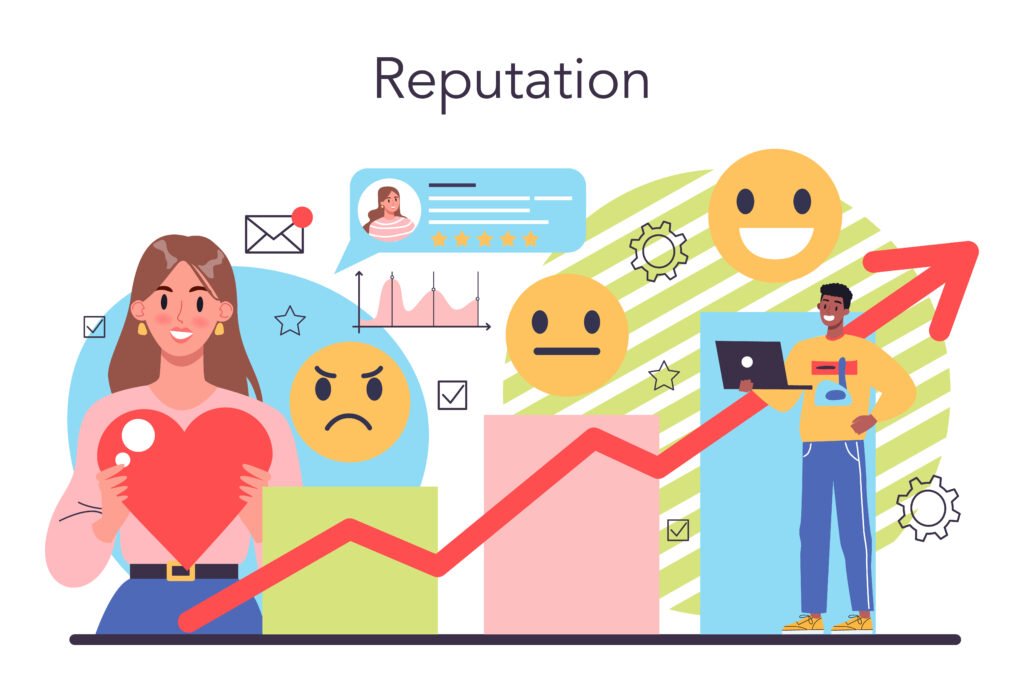
Your first customers are your best teachers. Their feedback shows what works and what does not.
Ignoring them is like ignoring a warning light on your car dashboard.
Turning Complaints Into Improvements
Do not take criticism personally. Use it to improve your product or service.
Every complaint is a free lesson if you listen.
Legal and Tax Mistakes
Not Registering the Business Properly
Many people skip legal steps to save time or money. This can cause serious trouble later.
Registering your business protects you and builds trust.
Understanding Basic Tax Obligations
Learn basic tax rules in your country. Keep records of income and expenses.
Taxes are not optional. Planning early prevents panic later.
Poor Time Management
Confusing Busy with Productive
Being busy does not mean being effective. Answering emails all day is not the same as growing your business.
Focus on tasks that bring results.
Prioritising High-Impact Tasks
Use simple task lists. Work on sales, product quality, and customer service first.
Time is your most limited resource. Spend it wisely.
Lack of Adaptability
Refusing to Change Direction
Some founders fall in love with their first idea and refuse to adjust. Markets change. Customers change. Your business must change, too.
Stubbornness can sink a good idea.
Pivoting Without Panic
Change does not mean failure. It means learning. Adjust your strategy calmly and logically.
Flexibility is strength, not weakness.
Choosing the Wrong Partners
Mixing Friendship with Business
Working with friends can be great or disastrous. Friendship does not guarantee business skills.
Many partnerships fail because roles are unclear.
Setting Roles and Responsibilities
Choose partners based on skills and values. Define duties and decision-making power clearly.
A good partner is like a seatbelt. You only realise its value when things go wrong.
Overconfidence and Ego
Thinking You Know Everything
Confidence is good. Arrogance is dangerous. No one knows everything about business.
Refusing advice can lead to repeated mistakes.
Staying Humble and Learning
Learn from books, mentors, and mistakes. Stay curious.
The best entrepreneurs are lifelong students.
Conclusion
Starting a business is exciting, but it is also risky. Most failures come from simple mistakes, not bad ideas. Skipping research, ignoring cash flow, and avoiding feedback are like building a house on sand.
If you plan carefully, listen to customers, manage money wisely, and stay flexible, you increase your chances of success. Mistakes will still happen, but they will be lessons instead of disasters. A smart start builds a strong future.
FAQs
1. What is the biggest mistake when starting a business?
Skipping market research is one of the biggest mistakes. Without understanding your customer, you risk building something nobody wants.
2. How much money should I save before starting a business?
It is wise to save enough to cover at least six months of personal and business expenses.
3. Is a business plan really necessary?
Yes. A simple business plan helps you stay focused and make better decisions.
4. Should I quit my job to start a business?
Not always. Starting part-time can reduce financial pressure and risk.
5. How do I know if my business idea will work?
Test it with real customers through surveys, trials, or small launches before investing heavily.
Also Read: What Is P&L? A Complete Guide to Profit and Loss Statements


Comments are closed.
[…] Also Read: Mistakes to Avoid When Starting a Business: Common Startup Mistakes and How to Avoid Them […]